



Setting Goals That Actually Stick: The Foundation for Lasting Change
November 26, 2025
The Missing Piece in Your Personal and Professional Growth
November 26, 2025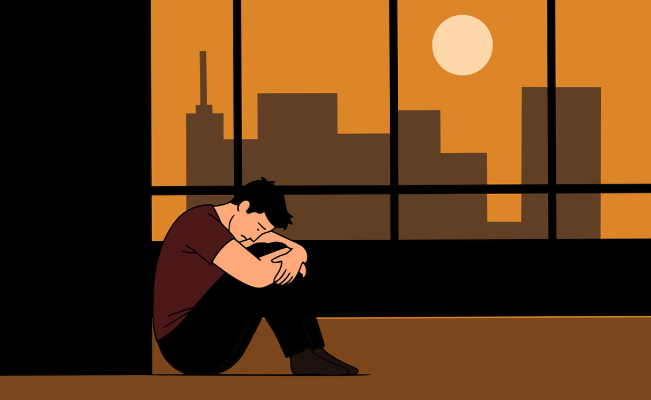
How to recognize when your emotions have taken the wheel — and what you can do to feel steady again
Life is fast, demanding, and sometimes unpredictable. Between work, family, social obligations, and personal expectations, it’s no wonder that at some point, most of us feel emotionally overwhelmed.
Maybe your mind races at night. Maybe small tasks feel impossible. Maybe feelings that once felt manageable suddenly seem enormous. Or maybe you just feel “off,” without knowing why.
Emotional overwhelm is not a sign of weakness. It’s a signal — a gentle (or sometimes urgent) reminder that your mind, body, and heart need attention. Understanding what it is, why it happens, and how to respond can help you regain balance before burnout takes hold.
What Emotional Overwhelm Really Means
Emotional overwhelm happens when your internal world (thoughts, feelings, sensations) exceeds your capacity to manage it.
Common signs include:
- Racing thoughts or “monkey mind”
- Feeling pulled in too many directions
- Irritability, frustration, or sudden sadness
- Anxiety or fear that seems disproportionate to the situation
- Physical symptoms such as fatigue, headaches, tension, or shallow breathing
- Avoidance or procrastination as a way to cope
It’s important to understand that overwhelm is not failure — it’s your system signaling that it needs support, rest, and attention.
Why Overwhelm Happens
Several factors contribute to emotional overwhelm:
- Too much stimulation
Emails, notifications, social media, deadlines, and multitasking can flood your brain with information, leaving little mental space to process emotions. - Unprocessed emotions
When feelings like sadness, frustration, or worry are ignored or suppressed, they build up until they feel unmanageable. - High expectations and pressure
Trying to meet everyone’s expectations — including your own — can create a constant state of tension. - Life transitions and uncertainty
Change, uncertainty, or big decisions can trigger intense emotional responses, even if the change is positive.
Recognizing the root causes helps you respond with awareness instead of frustration or self-blame.
Practical Tools to Regain Balance
Emotional overwhelm doesn’t have to control your life. Here are some supportive tools to help you regain balance, clarity, and calm:
1. Pause and Breathe
When emotions feel too big, give yourself permission to pause. Even a few deep, intentional breaths can calm your nervous system and create space for clarity.
Try it:
- Inhale for four counts
- Hold for four counts
- Exhale for six counts
Repeat 4–6 times
This simple exercise signals to your body that it’s safe to relax, even for a moment.
2. Name Your Feelings
Putting your emotions into words reduces their intensity. When you say or write down, “I feel anxious” or “I feel frustrated,” it activates the part of your brain that can think clearly instead of being hijacked by emotion.
Tip: Use a feelings chart or journal to identify exactly what you’re experiencing — even naming subtle nuances like “restless” or “disappointed” helps.
3. Break Tasks Into Smaller Steps
Overwhelm often comes from seeing everything at once. Break tasks or responsibilities into manageable pieces. Focus on one thing at a time.
Example: Instead of “I have to clean the entire house,” start with “I’ll tidy the kitchen for 10 minutes.” Small wins reduce stress and restore a sense of control.
4. Set Boundaries
Sometimes overwhelm is caused by taking on too much. Learn to say no or delegate when possible.
Tip: Protect time for rest, reflection, and activities that nourish you. Boundaries are not selfish — they’re essential for balance.
5. Move Your Body
Physical movement releases tension, helps regulate emotions, and provides a healthy outlet for stress.
- Go for a brisk walk
- Stretch or do yoga
- Dance to a favorite song
Even five minutes can shift your energy and lighten emotional weight.
6. Connect with Someone Safe
Sharing your experience with a trusted friend, family member, or coach provides relief and perspective. Sometimes simply being heard helps you feel less alone.
Why it helps: Talking to someone external can reveal blind spots, offer encouragement, and remind you that your feelings are valid.
7. Use Reflective Tools
Journaling, mindfulness, or meditative practices create a structured space to process emotions.
Questions to reflect on:
- What am I feeling right now?
- What triggered these emotions?
- What do I need in this moment?
- What small action could help me feel more grounded?
This practice strengthens self-awareness — a key step in preventing future overwhelm.
When to Seek Additional Support
Overwhelm becomes concerning if it:
- interferes with daily life
- affects sleep, appetite, or energy consistently
- leads to constant anxiety, sadness, or irritability
- creates a sense of hopelessness
This is when working with a coach, therapist, or mental health professional can be transformative. Support provides tools, perspective, and strategies that are tailored specifically to you — so you don’t have to figure it out alone.
The Bigger Picture: Emotional Overwhelm is a Signal, Not a Setback
Feeling overwhelmed is not a failure — it’s a reminder that your mind, body, and heart need attention. It’s an opportunity to pause, reflect, and respond intentionally instead of reacting unconsciously.
By practicing awareness, using practical tools, and seeking support when needed, you can:
- regain clarity
- reduce tension
- restore balance
- build resilience
- reconnect with your energy and focus
Overwhelm may visit from time to time — that’s normal. But with awareness and support, it no longer has to control your life.
A Path Forward
Emotional overwhelm is a common human experience — but it doesn’t have to define your day, week, or life. By understanding what triggers it, acknowledging your feelings, and using supportive tools, you can navigate intense emotions with confidence and care.
And remember: asking for support isn’t weakness. It’s a proactive step toward balance, growth, and lasting emotional wellbeing.
Because when you learn how to manage overwhelm, you don’t just survive — you thrive.
